WORLD COMPASS ADVENTURES
Mount Kilimanjaro
Climbing packages
Kilimanjaro climbing itineraries
 1 Day
Mount Kilimanjaro Day Hike
Mount Kilimanjaro National Park, Tanzania
1 Day
7 Days (5 climbing days)Kilimanjaro Marangu Route 5 Days
Mount Kilimanjaro, Tanzania
7 Days (5 climbing days)
 8 Days (6 climbing days)
Kilimanjaro Lemosho Route 6 Days
Mount Kilimanjaro, Tanzania
8 Days (6 climbing days)
 8 Days (6 climbing days)
Kilimanjaro Machame Route 6 Days
Mount Kilimanjaro, Tanzania
8 Days (6 climbing days)
 8 Days (6 climbing days)
Kilimanjaro Marangu Route 6 Days
Mount Kilimanjaro, Tanzania
8 Days (6 climbing days)
 8 Days (6 climbing days)
Kilimanjaro Rongai Route 6 Days
Mount Kilimanjaro, Tanzania
8 Days (6 climbing days)
8 Days (7-day route; schedule to confirm)Kilimanjaro Rongai Route 7 Days
Mount Kilimanjaro, Tanzania
8 Days (7-day route; schedule to confirm)
8 Days (6 climbing days)Kilimanjaro Umbwe Route 6 Days
Mount Kilimanjaro, Tanzania
8 Days (6 climbing days)
9 Days (7 climbing days)Kilimanjaro Lemosho Route 7 Days
Mount Kilimanjaro, Tanzania
9 Days (7 climbing days)
 9 Days (7 climbing days)
Kilimanjaro Machame Route 7 Days
Mount Kilimanjaro, Tanzania
9 Days (7 climbing days)
9 Days (7 climbing days)Kilimanjaro Umbwe Route 7 Days
Mount Kilimanjaro, Tanzania
9 Days (7 climbing days)
 10 Days (8 climbing days)
Kilimanjaro Lemosho Route 8 Days With Crater Overnight
Mount Kilimanjaro, Tanzania
10 Days (8 climbing days)
 10 Days (8 climbing days)
Kilimanjaro Northern Circuit Route 8 Days
Mount Kilimanjaro, Tanzania
10 Days (8 climbing days)
11 Days (8-day route; schedule to confirm)Kilimanjaro Lemosho Route 8 Days
Mount Kilimanjaro, Tanzania
11 Days (8-day route; schedule to confirm)
11 Days (9 climbing days)Kilimanjaro Lemosho Route 9 Days With Crater Overnight
Mount Kilimanjaro, Tanzania
11 Days (9 climbing days)
11 Days (9 climbing days)Kilimanjaro Northern Circuit Route 9 Days
Mount Kilimanjaro, Tanzania
11 Days (9 climbing days)
 11 Days (9 climbing days)
Kilimanjaro Northern Circuit Route 9 Days with Crater Overnight
Mount Kilimanjaro, Tanzania
11 Days (9 climbing days)
On this page
Mount Kilimanjaro
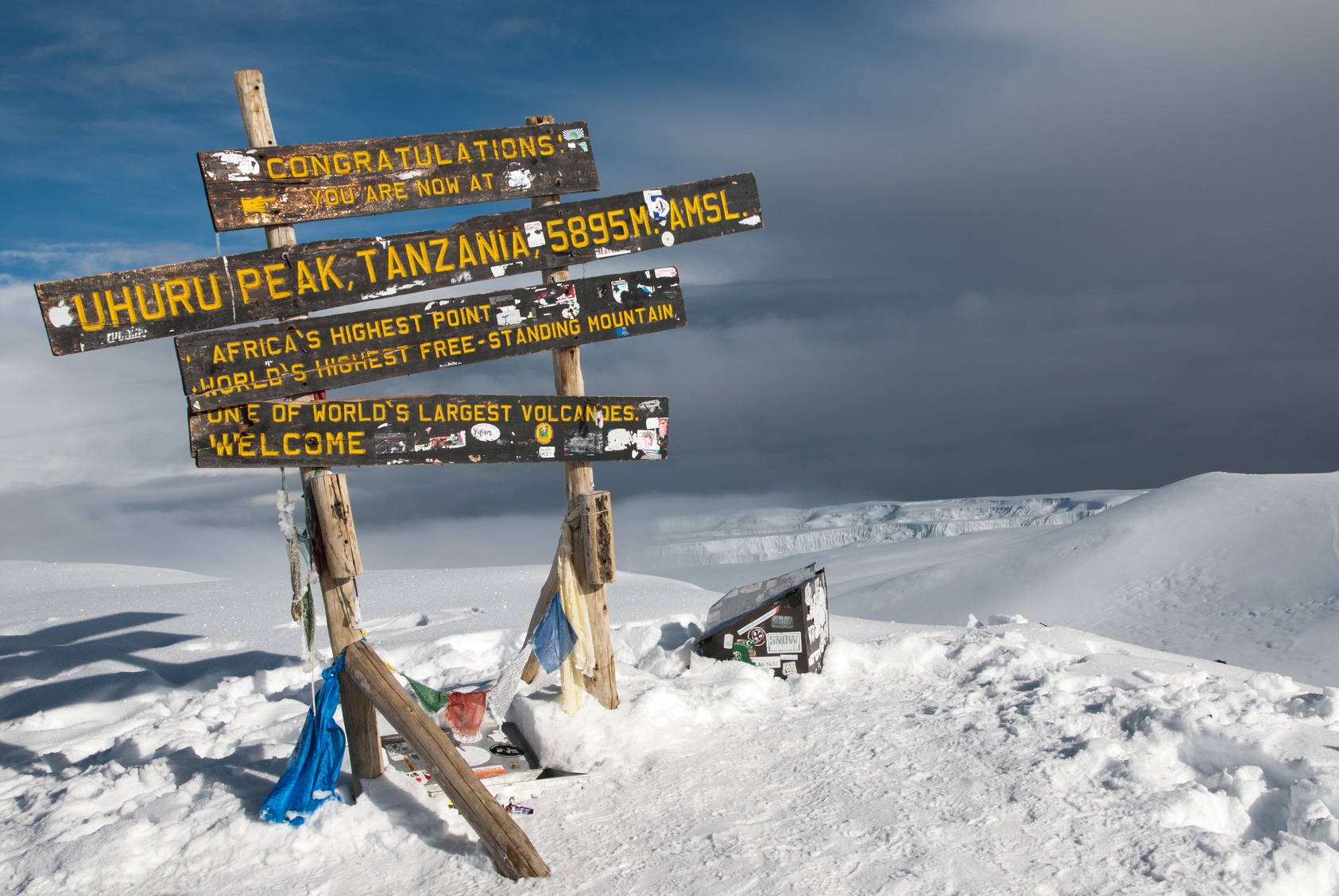
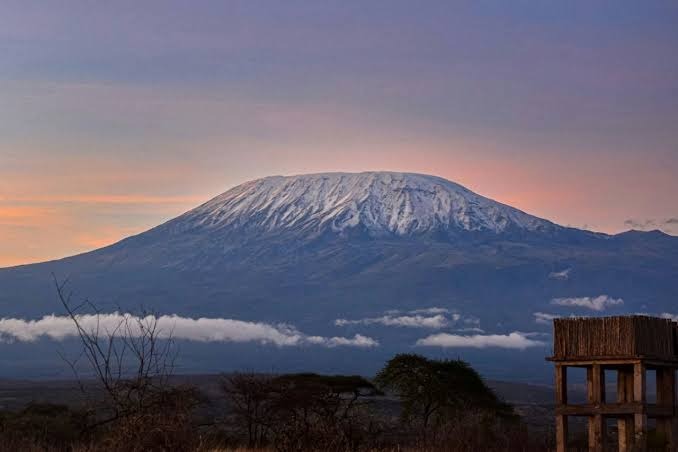
Uhuru Peak rises to 5,895 metres in northern Tanzania. Africa’s highest mountain is a free-standing volcanic massif whose established walking routes cross dramatically different landscapes. A summit journey is a demanding high-altitude expedition, not a technical rock climb on the standard routes. Reaching the summit is never guaranteed.
From forest to the summit
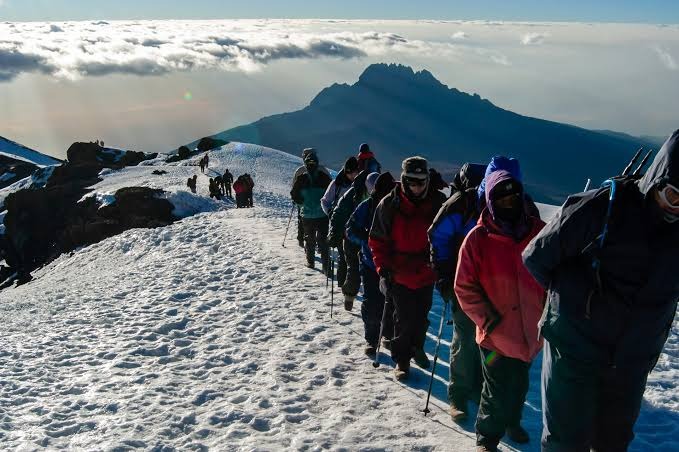
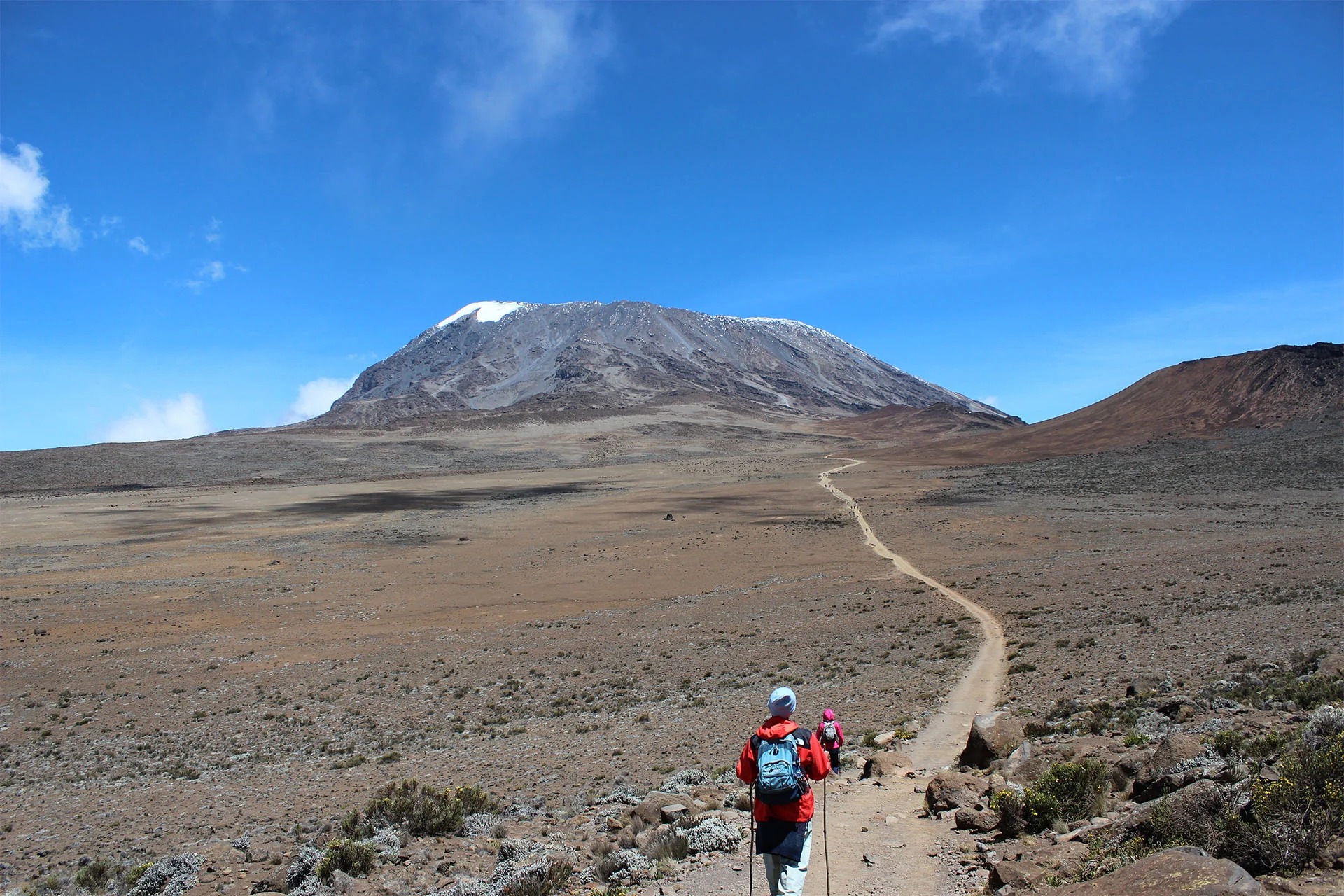
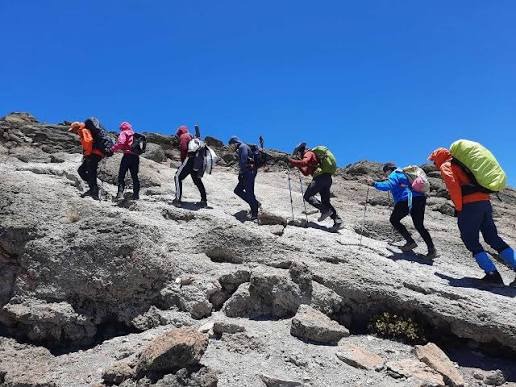
The cultivated foothills give way to montane rainforest, then heath and moorland with giant heather and lobelias. Higher up, vegetation thins across an alpine desert before the rock, ice and snow of the summit region. Temperature, rainfall and vegetation change with elevation; each stage requires suitable clothing and careful pacing.
Choosing your route
Compare Marangu, Machame, Lemosho, Rongai, Umbwe and the Northern Circuit by their approach, sleeping arrangements and time on the mountain. Marangu uses huts; the other listed routes primarily use camps. Longer schedules give more time for acclimatisation, but altitude illness remains possible. Crater overnight variants spend a night at very high altitude and require particular care when assessing experience and suitability.
Weather and travel seasons
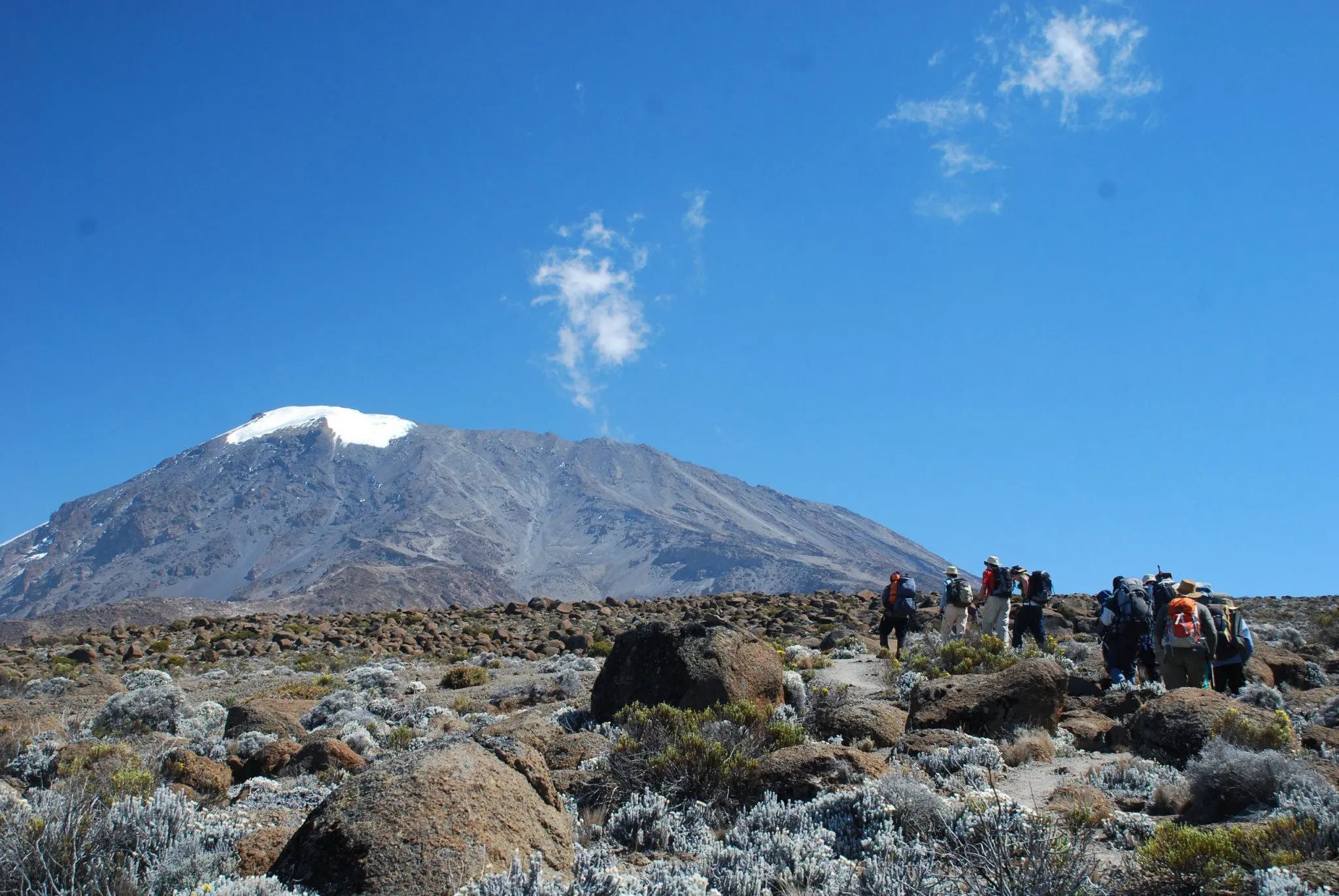
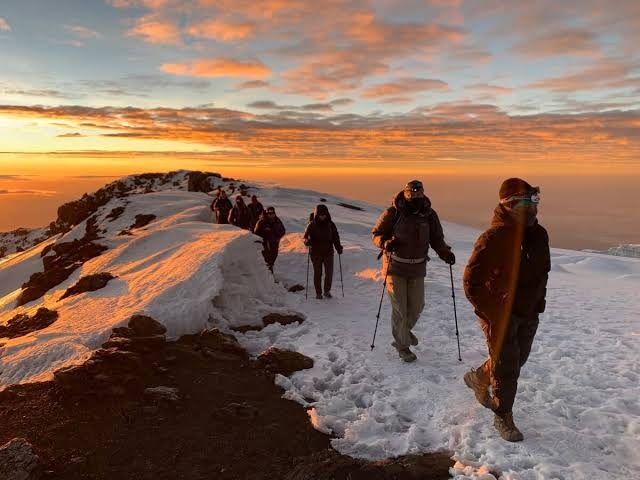
The reference identifies mid-June to October and December to early March as generally drier climbing periods. Long rains commonly affect April and May, and shorter rains late October and November. Rain or snow can still occur in any month. Summit-night temperatures may reach around minus 18°C, so cold-weather equipment is essential even when the foothills are warm.
Your daypack and mountain equipment
Carry the items needed while walking: drinking water, extra layers, waterproofs, snacks and personal essentials. The mountain crew transports the main luggage. Confirm the current packing list and baggage allowance before departure. Broken-in boots, an insulated sleeping system, gloves, a warm hat and a headlamp are important for cold nights and the summit approach.
Meals, water and camp arrangements
Review the inclusions for your chosen itinerary rather than assuming every package supplies identical equipment. Discuss dietary requirements, drinking-water treatment, sleeping arrangements and sanitation with the team before travel. Hotel meals and drinks, personal equipment and optional items may be excluded even when mountain meals are included.
Altitude, health and evacuation
Fitness does not remove the risk of altitude illness. Walk at a steady pace, allow time to acclimatise and tell your guide promptly about headache, nausea, dizziness, unusual fatigue or breathing difficulties. Worsening symptoms need immediate attention and may require descent. Discuss monitoring, emergency equipment, evacuation procedures and appropriate trekking insurance before booking.
Responsible mountain travel
Respect park rules, wildlife and local communities. Stay on designated paths, dispose of waste responsibly and check how your operator supports fair treatment of guides, cooks and porters. Check current Tanzania visa and health requirements with the appropriate authorities before departure.
START PLANNING